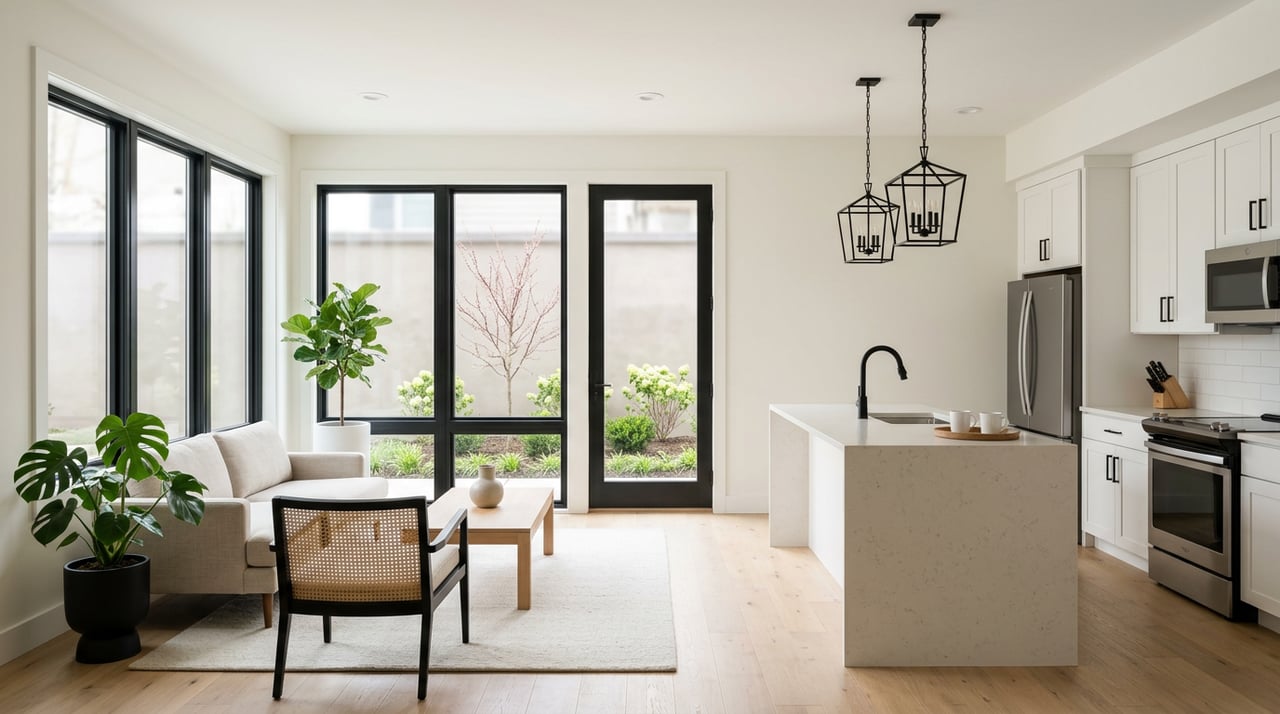
Kirkwood MO Condos for Sale & Townhome Buyer Guide
March 5, 2026
March 5, 2026
Thinking about a low-maintenance move in Kirkwood but not sure where to start? You’re not alone. Condos and townhomes can offer the lifestyle you want with less upkeep, but every community has its own rules, fees, and fine print. In this guide, you’ll learn what condos and townhomes cost in Kirkwood, how HOAs work in Missouri, and exactly what to review before you write an offer. Let’s dive in.
Condos and townhomes appeal to downsizers, busy professionals, and first-time buyers who want less yard work and more convenience. Many local HOAs handle exterior and grounds maintenance, snow removal, and common-area care, which frees your weekends. Units near downtown Kirkwood also offer strong walkability to shops, restaurants, and the historic train station.
You’ll trade a private yard and some control over exterior choices for HOA rules, monthly dues, and shared walls. Review community policies for modifications, parking, pets, and leasing so you know the fit before you commit.
Recent summaries place Kirkwood’s overall median home price in the mid 400s, with many condos and townhomes commonly in the low-to-mid 300s to 400s, depending on size, age, and location. Active and recent listings show attached homes ranging from the low 200s for older or smaller units up to the 400s or 500s for larger or newer homes near downtown.
Most local condo and townhome HOA fees fall around 275 to 425 dollars per month, with outliers up or down based on amenities and insurance coverage. Fees often include grounds and exterior maintenance, common areas, trash, sewer or water, snow removal, and sometimes a pool or clubhouse.
Do not forget property taxes in your budget. Kirkwood sits in St. Louis County, which has notable effective property tax burdens compared with national medians. To gauge what that means for you, review local examples using a property tax resource that summarizes Kirkwood trends and median bills, such as the St. Louis County page on Ownwell’s trends for Kirkwood. See the Kirkwood profile under St. Louis County for context on rates and bills at Ownwell’s Kirkwood tax trends.
Pro tip: Prices and HOA dues change with inventory and season. Ask your agent for current MLS data before you finalize a budget.
Close to the Kirkwood Junction and the historic train station, downtown condos and loft-style homes offer smaller footprints and an easy walk to coffee, dining, and the farmers market. Buyers here tend to prioritize lifestyle over private outdoor space. You’ll often find assigned or garage parking, elevator buildings in select cases, and higher per-square-foot prices for premium locations.
Many 1960s to 1980s garden-style communities in Kirkwood include landscaped grounds, a clubhouse, and a pool, plus assigned or surface parking. Typical units can range from about 1,200 to 2,200 square feet. HOA fees often bundle grounds and exterior maintenance, trash, sewer, and sometimes water. Examples you might see in listings include Greenbriar and Briar Hill Farm.
You’ll also find 2000s and newer townhome-style condominiums built within established neighborhoods. These often feature multi-level layouts, attached garages, and updated finishes. Monthly dues can be similar to garden-style communities, with variations based on insurance and amenities.
Before you commit to a condo in Missouri, know your rights to information. Missouri’s Condominium Property Act requires sellers to provide a resale certificate to a buyer in most condo resales. Under RSMo 448.4-109, the certificate typically includes governing documents, current assessments, unpaid balances, planned capital expenditures for the current and next two fiscal years, reserve amounts, recent financials, insurance summaries, and any pending litigation. Buyers have a short voidable period tied to the delivery of that certificate, so timing matters.
The resale packet is your best window into the association’s health. It shows routine dues, reserve balances, upcoming projects, and disputes that could affect your costs. For a plain-language overview of what to look for, review this explanation of what a Missouri resale certificate includes at FirstService Residential’s guide and general best practices from Condo Connection’s resale resources.
Strong reserves protect owners from surprise costs. Missouri law requires disclosure of reserve amounts in the resale certificate, but it does not set a minimum funding level. Ask for the latest reserve study and compare the reserve balance to upcoming capital needs. If reserves are low and major projects are planned, owners may face special assessments. For a helpful overview of how reserves work in Missouri, see SmartProperty’s reserve funding guide.
Insurance is another key line item. The master policy may cover building exteriors and common elements, while you cover the interior with an HO-6 policy. Confirm coverage divisions and deductibles in the resale packet, and ask whether any losses are passed back to owners.
Some listings note an occupancy inspection or city sign-off. To avoid surprises, confirm any transfer, occupancy, or inspection requirements with the City of Kirkwood. City pages also outline downtown district resources and events that shape the neighborhood experience. Start at the City of Kirkwood website.
A simple monthly carry comparison keeps you grounded:
Use current Kirkwood prices for the type of unit you prefer, then plug in today’s rates, property taxes, and exact HOA dues. Your agent can help you model two or three options so you see the tradeoffs clearly.
Use this list to stay focused from search to contract.
Buying a condo or townhome in Kirkwood can deliver the lifestyle you want with fewer weekend chores. The key is to balance walkability, amenities, and price with a clear understanding of HOA rules, reserves, and upcoming projects. Ask for the resale packet early, study the financials, and build a realistic monthly budget that includes dues, taxes, and insurance. With the right plan, you can move in confident and excited about your next chapter.
Ready to zero in on the right community and review the fine print together? Schedule a friendly, no-pressure consult with Amy Prusinowski to make your Kirkwood condo or townhome move simple and successful.


Looking to buy, sell, or just have a question? I'm always available to help and would love to work with you.

AMY PRUSINOWSKI
4850 Lemay Ferry Rd St. Louis MO 63129