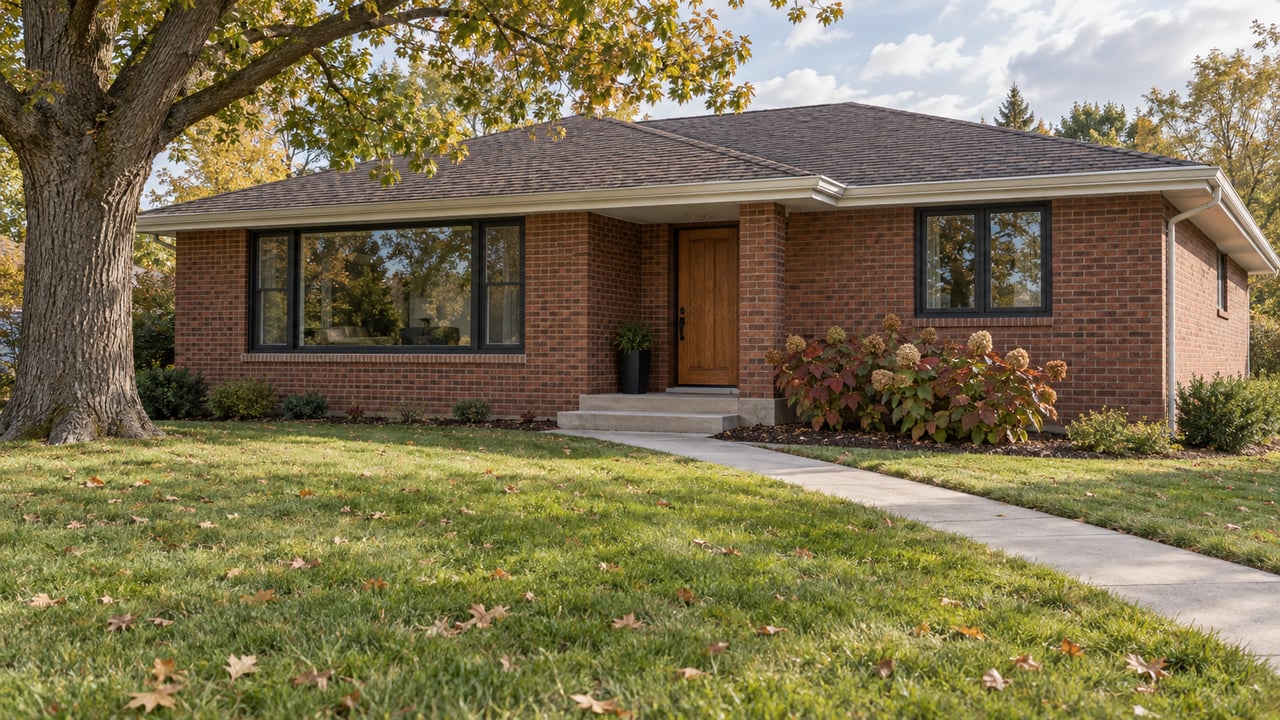
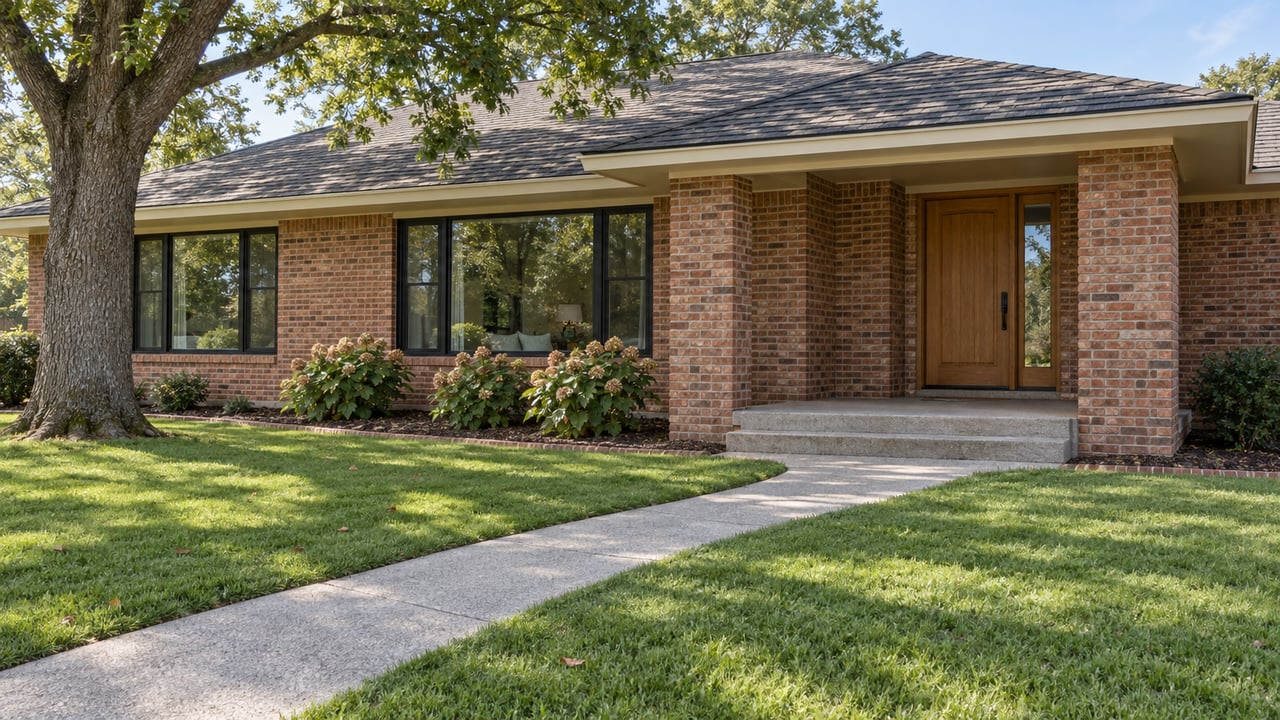
Red-brick house with a stone arched entrance, front steps, and a covered porch beneath mature trees.

Earnest Money for Missouri Buyers in Kirkwood

November 21, 2025

Are you wondering how much earnest money you need to put down on a home in Kirkwood, and whether you can get it back if something goes wrong? You are not alone. Many buyers worry about locking up cash, losing it, or wiring it to the wrong place. This guide explains how earnest money works in Missouri, what is typical in St. Louis County, and how to use it strategically to win a home while protecting your budget. Let’s dive in.

What earnest money is

Earnest money is your good-faith deposit that accompanies an offer and is held in escrow while the contract is active. It shows you intend to close and helps your offer stand out. If the sale closes, the deposit is applied to your down payment and closing costs.

In Missouri, earnest money is a contractual escrow deposit. The purchase contract controls how it is handled, who holds it, when it can be released, and what happens if there is a dispute. Your contract should name the escrow holder and spell out deposit timing and release conditions.

How much is typical in Kirkwood

There is no single right number. In many transactions, buyers in similar markets offer about 1% of the purchase price, or a flat amount like $1,000 to $5,000. In Kirkwood, where demand is strong, your strategy may shift based on price point and competition.

  • Entry-level homes: many buyers offer about $1,000 to $3,000.
  • Balanced offer example: around 1% of price, such as $3,000 on a $300,000 home.
  • Multiple offers or higher competition: 2% to 3% can stand out, especially if you also shorten timelines you can meet.

Use ranges and adjust to the specific home and market conditions. Your agent can help you calibrate what is expected for a given property in Kirkwood.

How earnest money works in Missouri

Who holds the funds

Earnest money is typically held by a title company or closing agent. Sometimes it is held in an attorney trust account or the listing broker’s trust account. Missouri-licensed brokers and title companies must follow regulations for escrow funds, including recordkeeping and avoiding commingling.

When and how you deposit

You usually deliver the deposit after your offer is accepted, within the timeline in the contract. Common methods include check, wire transfer, or approved electronic payment to the named escrow holder. Always confirm wire instructions directly with a known contact at the title company to avoid fraud.

Receipts and records

You should receive written confirmation that your deposit was received. The contract should say where funds are held, whether interest applies, and who may authorize release. Keep copies of all receipts and any written changes to contingency terms.

When your deposit is refundable

Common contingencies that protect you

Contingencies are your safety nets. If you cancel within the agreed timelines for any of the protections below, you generally receive your deposit back.

  • Inspection contingency: you can terminate or renegotiate if the inspection reveals issues and the contract allows termination within the inspection window.
  • Financing contingency: protects you if your lender does not approve the loan within the specified period.
  • Appraisal contingency: helps if the appraisal comes in materially below the contract price.
  • Title contingency: protects you if title defects are found and not cured.

When it becomes nonrefundable

After you satisfy or waive your contingencies in writing, your deposit is usually at risk if you default. Some contracts include liquidated damages language that may allow a seller to keep the deposit if the buyer defaults. Others outline different remedies. Always rely on the actual contract language, not verbal promises.

If there is a dispute

If you and the seller disagree over who should receive the deposit, the escrow dispute clause in the contract controls the next steps. Escrow holders typically will not release funds without joint written instructions or a court order. Contracts may require mediation, arbitration, or allow the escrow holder to file an interpleader with the court.

Smart strategies for Kirkwood buyers

Balancing competitiveness with protection is the goal. A larger deposit signals seriousness and can help you stand out, but it raises your exposure if you waive protections. First-time buyers should conserve cash for closing costs, moving, and repairs, and avoid risking money they cannot afford to lose.

Tactics that impress sellers

  • Offer a larger deposit while keeping standard contingencies intact. This shows commitment without giving up protection.
  • Use a tiered deposit if allowed by local forms. For example, make a modest initial deposit, then add a second deposit after inspections are satisfied.
  • Shorten timelines you can actually meet. A 7 to 10 day inspection window can look strong if you are ready to schedule inspectors quickly.

Conservative tactics that reduce risk

  • Keep the deposit modest, such as $1,000 to $3,000, and maintain full inspection and financing contingencies.
  • Ask that funds be held by a neutral title company or attorney trust account when possible.
  • Do not waive contingencies unless you fully understand the risks and have budgeted for potential repairs.

Scenario examples

  • Scenario 1: Balanced offer on a $350,000 Kirkwood home. Deposit at 1% ($3,500), 10-day inspection, 21 to 30 day financing. You look serious and keep key protections.
  • Scenario 2: Competing with multiple offers. Deposit at 2% ($7,000), tighter 7-day inspection, keep your financing contingency. You increase certainty for the seller while keeping a key safety net.
  • Scenario 3: Risk-tolerant approach. Larger deposit ($10,000) with no inspection contingency. This can win in a hot contest, but you assume repair risk and need extra reserves.

Quick checklist before you sign

  • Escrow holder named, with contact info.
  • Exact deposit amount and delivery deadline.
  • Clear wiring or delivery instructions, verified by phone with a known title contact.
  • Inspection, financing, appraisal, and title deadlines filled in with calendar dates.
  • Release and forfeiture language reviewed, including any liquidated damages.
  • Dispute resolution steps understood by both parties.
  • Written receipt for the deposit once delivered.

Protect against wire fraud

  • Call a known number for the title company to confirm wiring details before sending money.
  • Be skeptical of last-minute changes to instructions received by email.
  • Do not click links or open attachments from unknown senders. Verify first.
  • Send a small test transfer if advised by the escrow holder, and confirm receipt before sending the full amount.

Final thoughts

Your earnest money is a powerful signal in Kirkwood’s market. The right amount, paired with smart timelines and the right protections, can help you win the home you love while safeguarding your budget. If you want help calibrating deposit size and contingency terms for a specific property, reach out for tailored guidance.

Ready to plan your offer? Schedule a friendly, no-pressure consult with Amy Prusinowski to walk through deposit strategy, timelines, and next steps.
FAQs

How much earnest money is typical for a Kirkwood home purchase?

  • Many buyers offer $1,000 to $5,000 or roughly 1% of price, with higher deposits in competitive situations.

Who usually holds earnest money in Missouri?

  • A title company, closing agent or attorney trust account, and sometimes a broker trust account, as named in the contract.

When is earnest money refundable to the buyer?

  • If you cancel within inspection, financing, appraisal, or title contingencies based on the contract terms and timelines.

Can a seller keep my earnest money if my loan is denied?

  • Not if you have a valid financing contingency and you terminate on time per the contract requirements.

What happens if there is a dispute over the deposit?

  • The escrow dispute clause controls, and funds typically stay in escrow until both sides agree or a court orders release.

Work With Amy

Looking to buy, sell, or just have a question? I'm always available to help and would love to work with you.