Selling a Historic Mid-Century Modern Home in Oakland, MO: Preservation Rules
August 20, 2026
August 20, 2026
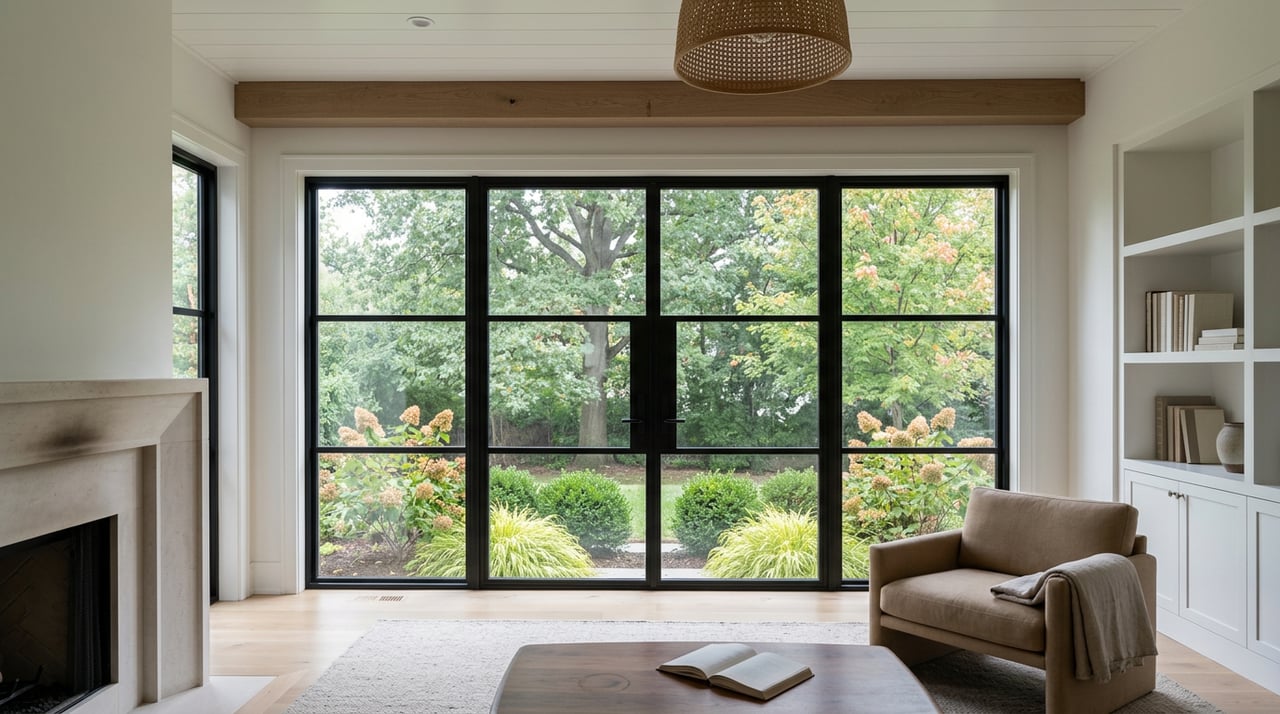
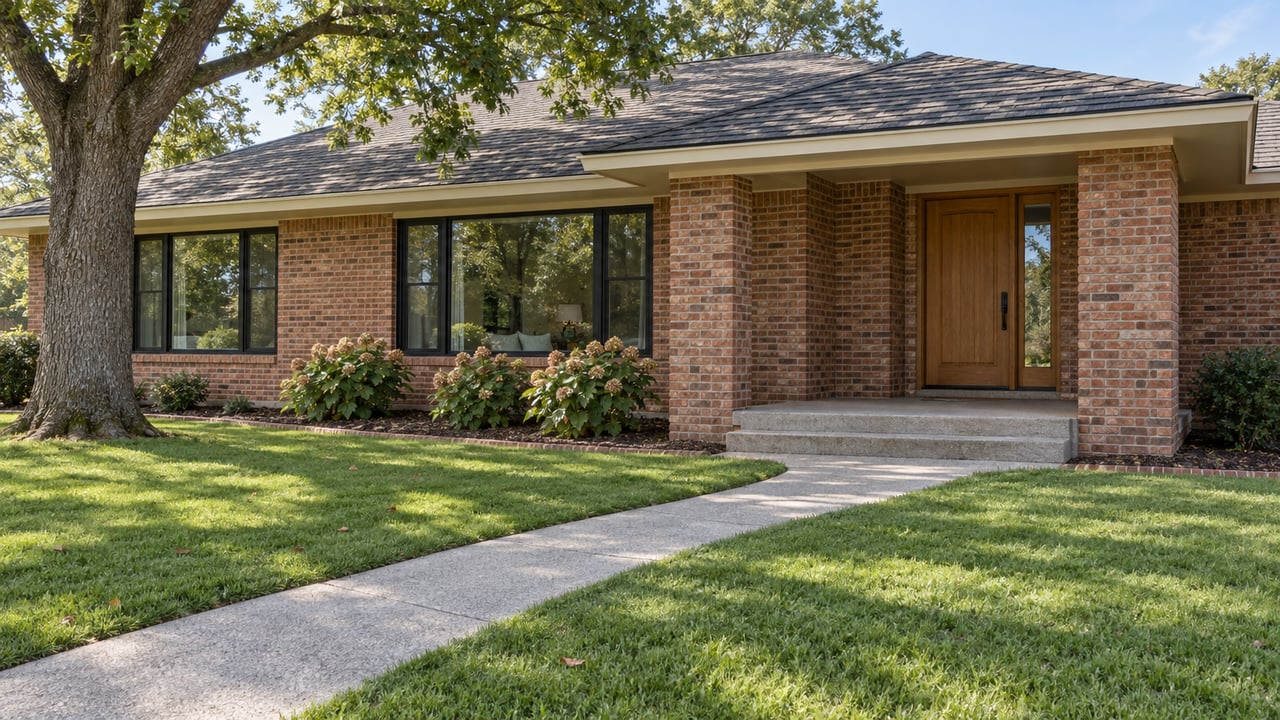
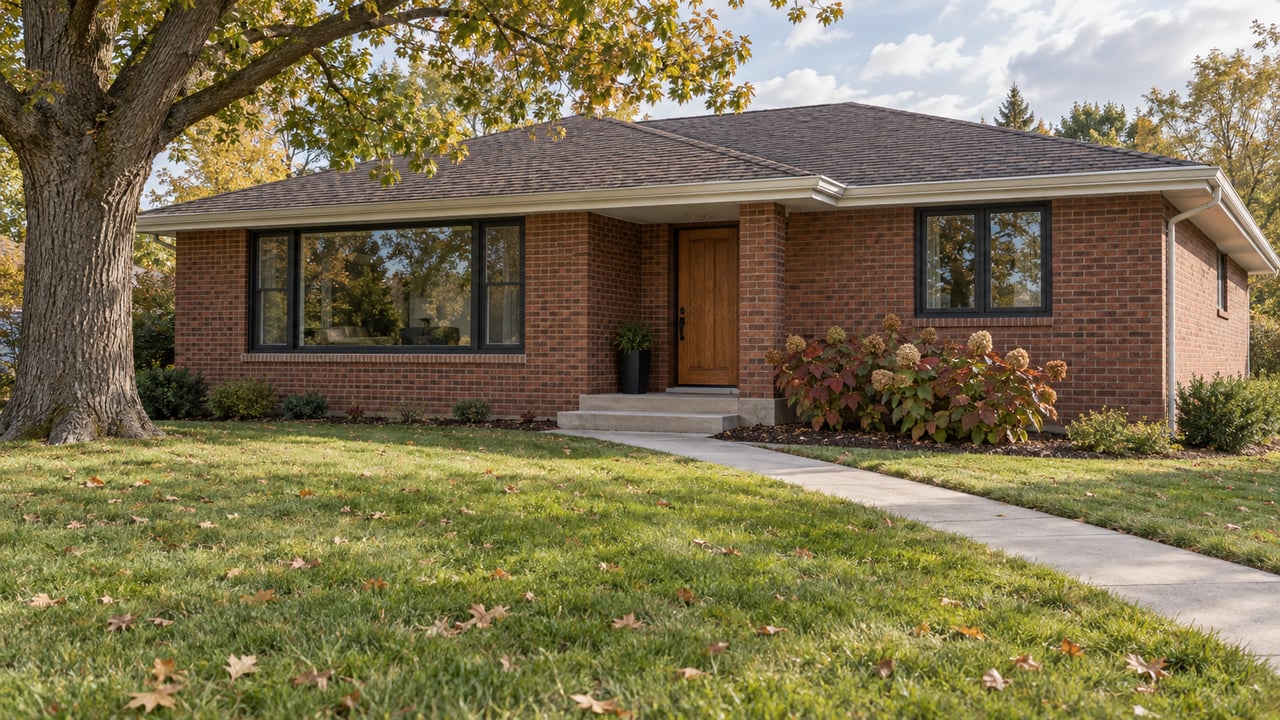
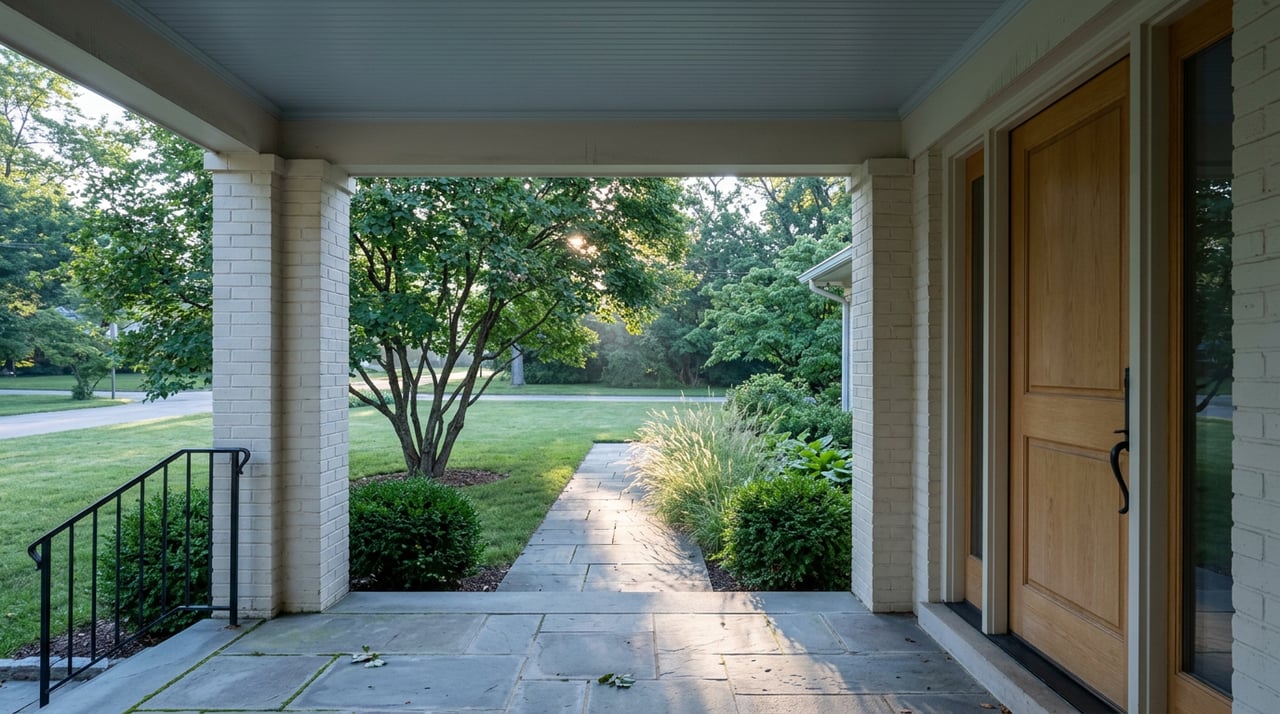
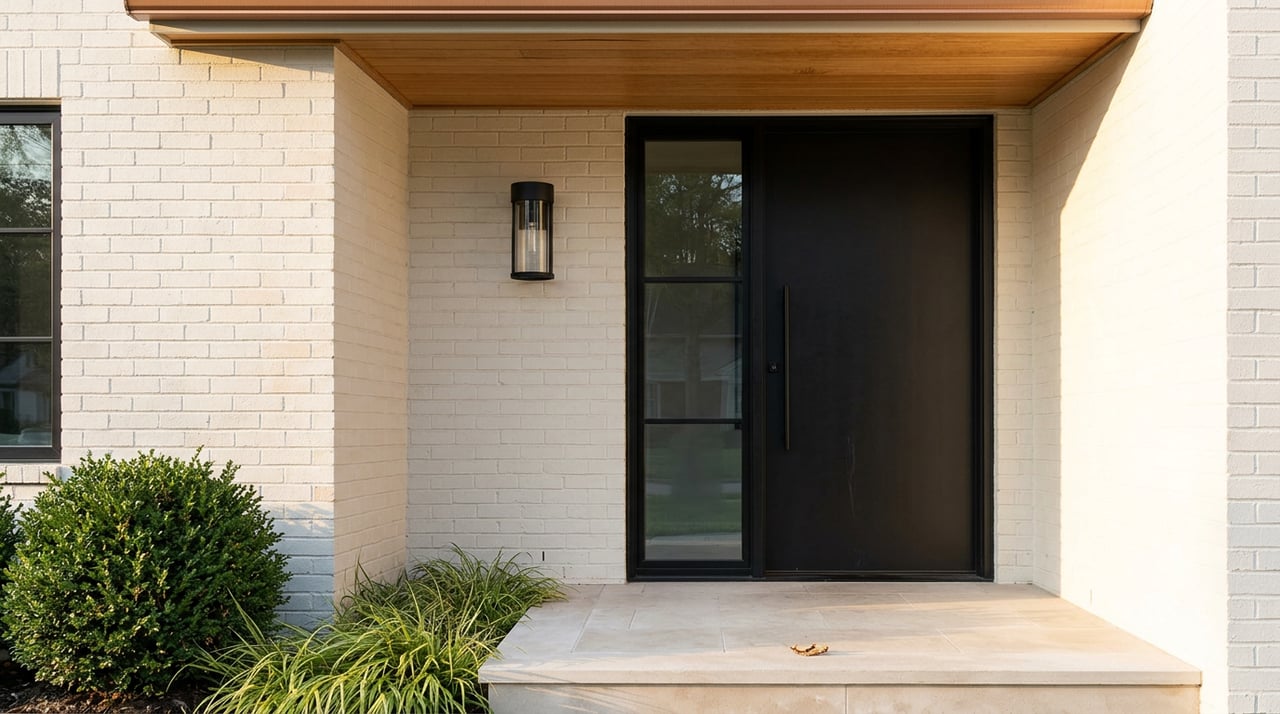
Harris Armstrong designed a home on South Sappington Road in Oakland, Missouri. Decades later, the home underwent a renovation honored by the Landmarks Association of St. Louis, and it went back on the market in 2017 carrying an asking price of $415,000.
The home is notable on its own. But its location also points to a fact most sellers in Oakland never think to check until they're already deep into a listing: this small city is one of only two municipalities in all of St. Louis County that has a historic preservation ordinance with actual teeth. If you own one of Oakland's architect-designed homes and you're thinking about selling, that single fact changes what your disclosure conversation looks like, what your marketing should lean on, and possibly what a buyer's renovation budget can absorb.
Oakland covers about six-tenths of a square mile, tucked between Webster Groves, Crestwood, Kirkwood, and Glendale. For a town that size, it holds an outsized concentration of significant mid-century design. Harris Armstrong, who St. Louis architectural historians describe as the dean of the city's modern movement, lived in Oakland for roughly 35 years until his death in 1973. According to Oakland's own city government, homes by Armstrong sit alongside work by two other mid-century architects who also called Oakland home, Robert Schutt and Paul Marti.
Here's the part that surprises most homeowners. St. Louis County's Historic Buildings Commission has published its own assessment of the region's mid-century modern housing stock, and the tone is not optimistic. Most municipalities in the county, the commission notes, have no historic preservation ordinances at all, strong or weak, which means the buildings on their list "could be torn down at the will of the owner." The commission calls out exactly two exceptions to that pattern:
"Oakland and University City being honorable exceptions."
That's it. Two cities out of dozens. If you own a mid-century home almost anywhere else in St. Louis County, there is likely nothing standing between that house and a bulldozer except the owner's own preference. In Oakland, there's a process.
Oakland's municipal code sets up a Historic Preservation Commission with real procedural steps, and it's worth understanding what those steps do and don't cover before you list a home that might fall under them.
None of this means an owner of a designated home in Oakland can do whatever they want. It means the process is bounded, notice-driven, and weighted toward giving an owner a say before anything is locked down. That's a meaningfully different conversation than "historic home, good luck," which is often as far as the disclosure discussion goes elsewhere.
Walk Oakland's own tree-lined blocks and the architects' fingerprints show up in more than housing stock. Minturn Park, centered on Gravois Creek at the north end of town, is built around what the city describes as its oft-photographed Paul and Audie Marti bridge. Loewnau Park, at the corner of Sappington Road and Oakland, carries the name of Adolph Loewenau, the city's longtime former clerk. Backstoppers Park sits at the trailhead of Grant's Trail, part of the Gravois Greenway, named for the nonprofit that supports the families of fallen first responders.
The town's day-to-day amenities are similarly compact and specific. Westborough Country Club sits inside city limits. So does Ursuline Academy, a private Catholic girls' high school, and Bethesda Dilworth, one of the largest long-term care facilities in Missouri. Oak Bend Library, a branch of the St. Louis County Library system, serves the neighborhood, and Perennial on the Trail, a tasting room for Perennial Brewing Company, is set to take over the space currently home to a Pedego bike shop. If you want the full backstory on how a town this small ended up with this much design pedigree, longtime resident Suzanne Stewart Bolten wrote the book on it, literally, in Oakland: A History of the People & Their Homes.
Sellers sometimes assume a preservation designation is a liability to manage quietly. In Oakland, it can be an asset to market directly, for the right buyer.
Missouri's state historic preservation tax credit program offers a 25 percent credit for rehabilitating certified historic structures inside St. Louis and Kansas City, and a 35 percent credit for certified historic structures located outside those two cities. Oakland, as its own municipality within St. Louis County, falls into the higher bracket. That credit is available to owner-occupants, not just commercial buyers, which matters because it means a buyer weighing the cost of restoring original windows, reworking mechanicals behind a preserved facade, or repairing a signature Armstrong fireplace has a real financial lever to work with, provided the home carries the formal certified designation that unlocks it.
That's a genuinely different pitch than the generic "character and charm" language that shows up on every mid-century listing description. It's a specific, checkable financial detail that a serious buyer of one of these homes will want to hear from their agent early, not discover on their own after closing.
A few practical things follow from all of this. First, find out early whether your home carries a formal landmark designation or sits in a designated district, versus simply being an architecturally notable home that has never gone through the process. The tax credit eligibility hinges on that distinction, and it's worth confirming before you write a listing description that promises either.
Second, provenance sells in this niche. Harris Armstrong's original papers, including drawings, photographs, and publications, are held by Washington University. If your home's original construction drawings or any documentation from that archive can be referenced or sourced, that's the kind of detail a buyer specifically hunting for an authentic Armstrong, Schutt, or Marti property will care about far more than a granite countertop.
Third, expect a thin comp set. Oakland is a small city with a small number of these homes changing hands in any given year. A three-bedroom on South Sappington Road, the same street as the home mentioned above, changed hands in September 2025. Sales like that are useful data points, but they're rare enough that pricing strategy for one of these homes benefits from someone who understands the niche rather than someone pulling a generic neighborhood average.
Does every home in Oakland fall under the preservation ordinance? No. The ordinance applies to properties the Board of Aldermen has formally designated as landmarks or included in a historic district. Plenty of architecturally significant Oakland homes have never gone through that process.
Can a designated home still be renovated? Yes, through the Certificate of Appropriateness process for exterior alteration, demolition, or removal. Ordinary maintenance and repair using matching materials is explicitly excluded from that review.
What if a home isn't formally landmarked but was designed by Armstrong, Schutt, or Marti? It's still worth marketing on that architectural pedigree, but it won't unlock the state historic tax credit unless and until it receives formal certified designation.
If you're weighing a sale of a mid-century home in Oakland, or trying to figure out whether yours qualifies for any of this before you list, Amy Prusinowski has spent nearly three decades pricing, staging, and negotiating suburban St. Louis County homes, including the kind that come with a little more history attached. Schedule a free consultation and bring your questions about the paperwork along with the pricing.
This article is general information, not legal, tax or financial advice. Consult a qualified professional about your situation.


Looking to buy, sell, or just have a question? I'm always available to help and would love to work with you.

AMY PRUSINOWSKI
4850 Lemay Ferry Rd St. Louis MO 63129