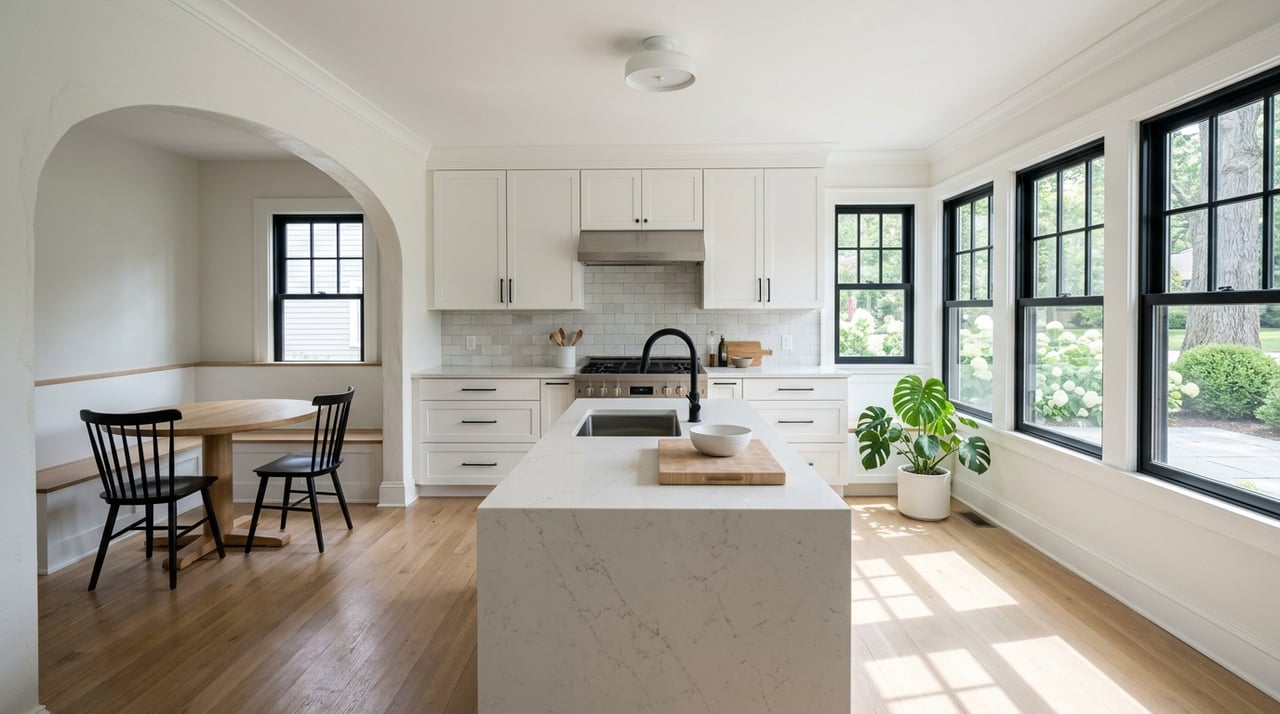
Buying a Home in Kirkwood: Historic vs. Newer Homes
June 11, 2026
June 11, 2026
Choosing between a historic home and a newer one in Kirkwood is not just about age. It is about how you want to live, what kind of upkeep you are comfortable with, and how much flexibility you want when it comes to future changes. If you are weighing charm against convenience, this guide will help you understand the real tradeoffs in Kirkwood so you can make a confident decision. Let’s dive in.
Kirkwood was created in the mid-1850s as Missouri’s first planned railroad suburb. Today, the city’s oldest commercial core sits around Kirkwood Road and Argonne Drive, with many historic resources nearby, while more recent suburban development is generally found in the outlying parts of the community.
That mix gives you real options as a buyer. In Kirkwood, you are not simply comparing old versus new. You are often comparing character plus maintenance against convenience plus flexibility.
Historic homes in Kirkwood can feel full of personality from the moment you pull up. Many feature porches, mature landscaping, detailed trim, and architectural styles that stand out from one house to the next.
Kirkwood’s design guidance covers a wide range of historic and period-inspired homes, including American Foursquare, Bungalow/Craftsman, Victorian/Queen Anne, Shingle, Tudor Revival, Greek Revival, Usonian, Ranch, and Mid-Century Modern forms. That means the city’s older housing stock is not one-note. You can find everything from formal, room-by-room layouts to homes with more flowing interior spaces.
Many older homes were built with more separated rooms and stronger architectural identity. For example, American Foursquares are known for a four-rooms-over-four-rooms layout, while bungalows often have deep porches, wide overhanging roofs, and simpler interiors.
Some historic homes break that pattern. Shingle homes may have more informal floor plans, and Usonian-influenced homes emphasize freer-flowing spaces and stronger indoor-outdoor connections. Even so, many buyers notice that historic homes tend to feel more segmented than later suburban construction.
If you love original details, it helps to know what comes with them. Kirkwood’s preservation guidance encourages owners to preserve original materials and repair rather than replace features like original windows whenever possible.
Exterior elements such as porches, roofs, gutters, masonry, and wood siding often need careful upkeep. The city also discourages certain changes, such as abrasive masonry cleaning, use of hard mortars, and covering significant details with incompatible materials.
For the right buyer, that is part of the appeal. For another buyer, it can feel like more work, more planning, and more long-term cost.
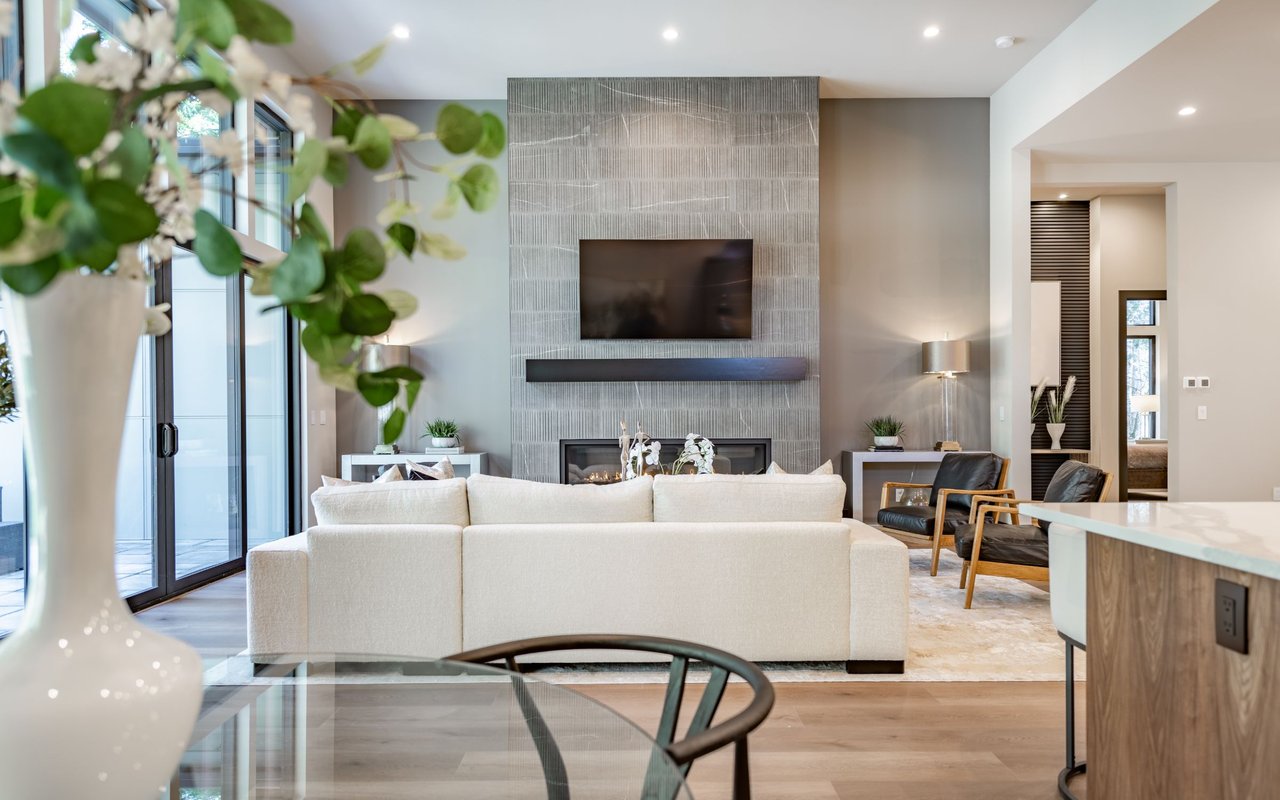
Newer homes in Kirkwood often appeal to buyers who want a layout that feels more aligned with modern daily life. These homes may offer more open living areas, easier flow between main spaces, and typically less preservation-style maintenance.
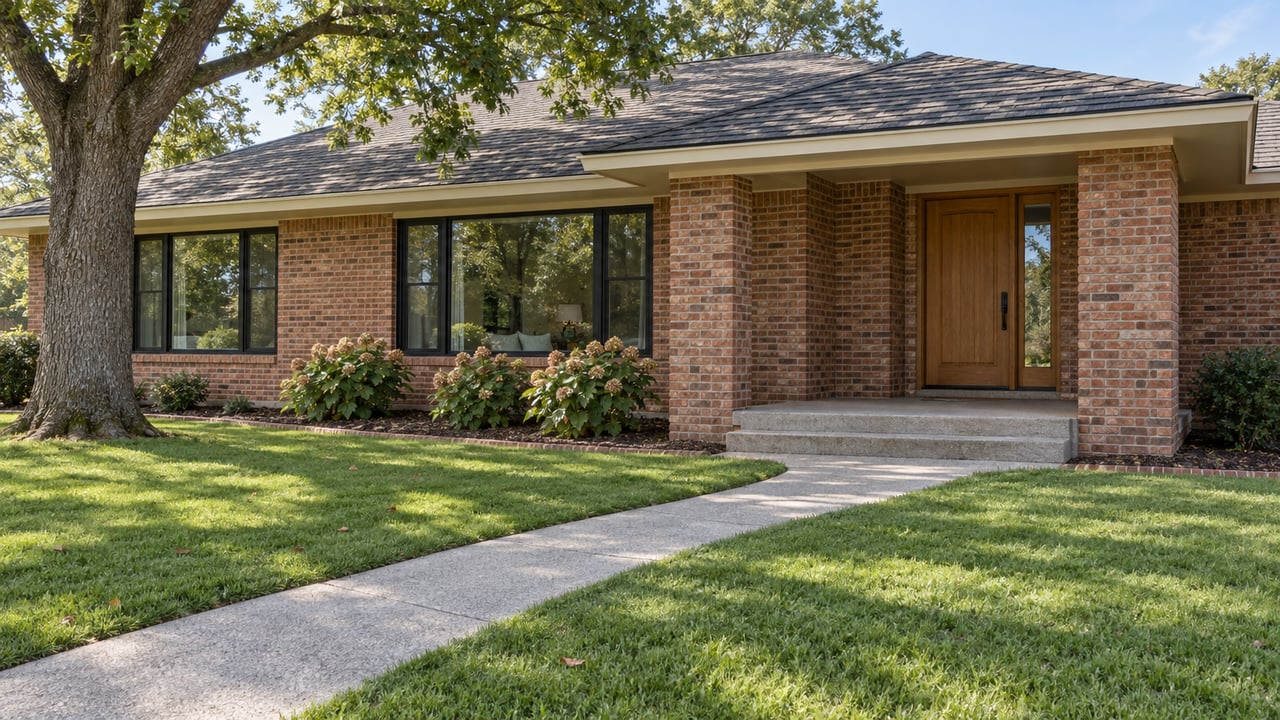
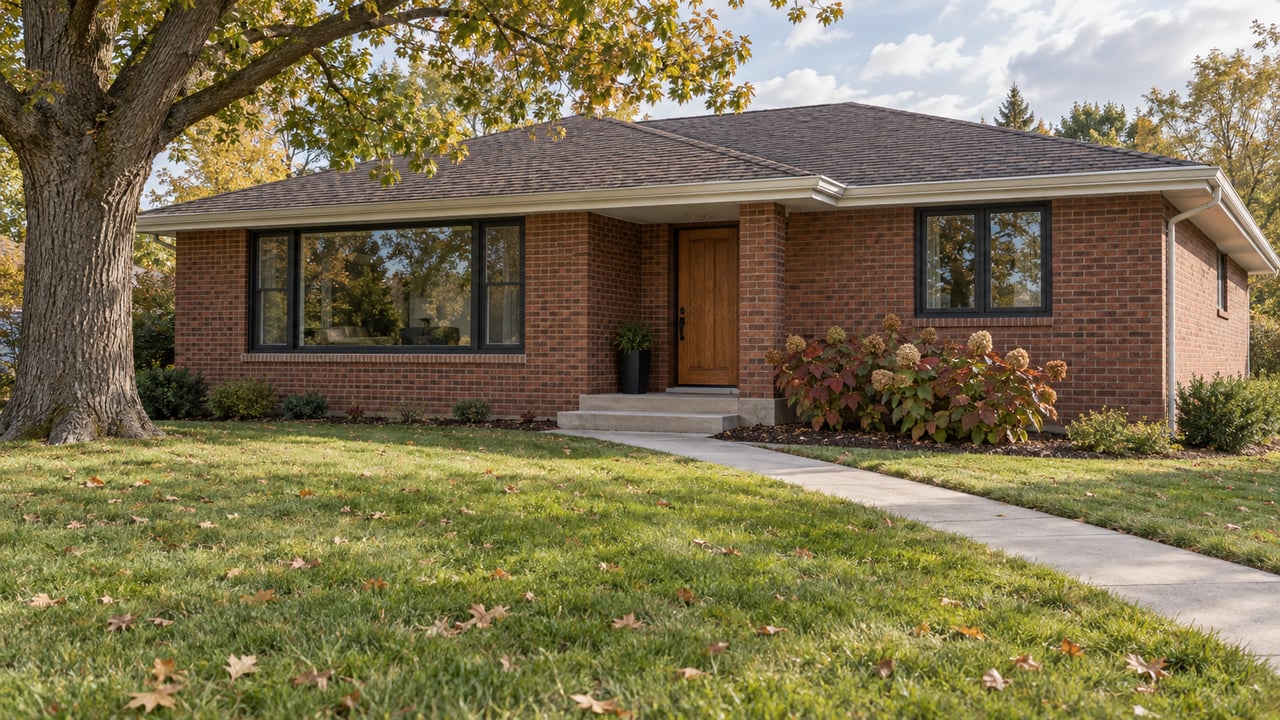
Kirkwood’s postwar and mid-century housing includes Ranch, Raised Ranch, Split-Level, Barrett Brae, Craig Woods, Savoy, and Sugar Creek Ranch styles. Ranch homes are generally low-profile and minimally ornamented, while many mid-century homes in Kirkwood feature open plans, attached garages or carports, vaulted ceilings, skylights, and large glass areas.
If you want fewer room-by-room divisions, newer homes may feel more natural. Open layouts can make everyday routines, entertaining, and furniture placement a little simpler.
Maintenance expectations can also be different. In general, newer homes tend to have less need for preservation-grade repairs than older historic houses, though every property still needs a careful inspection and condition review.
A newer home does not always mean unlimited freedom. In Kirkwood, exterior work can still be reviewed if a property is a local landmark or is located within a local historic district.
The city notes that new construction in local historic districts must remain compatible with the surrounding streetscape. Guidelines call for simple building forms and rooflines, materials, windows, and porch proportions that stay in scale with neighboring homes.
This is one of the most important things to understand before you buy. Kirkwood has an active preservation system, with 85 designated landmarks and nine local historic districts. In addition, 24 properties and four districts are listed on the National Register of Historic Places.
The key difference is how review works. Local landmarks and local historic districts require review before building permits, while National Register listing is honorary and does not create local design review by itself.
Before you move forward on a Kirkwood home, it helps to ask:
These answers can affect your budget, renovation plans, and timeline.
Older homes can be wonderful to own, but they usually require a more proactive mindset. In Kirkwood, preservation guidance places special importance on original windows, masonry, siding, porches, roofs, gutters, and traditional landscape features.
Mature trees and established landscape patterns are also considered important parts of many historic settings. The city recommends maintaining them unless a tree is dead, diseased, or a safety hazard.
If a home was built before 1978, it is more likely to contain lead-based paint. That does not automatically make the home unsafe, but renovations can create dangerous lead dust if the work is not handled properly.
If you are considering an older Kirkwood home, ask what testing or renovation work has been done and whether lead-safe practices were used. This is especially important if you plan to update windows, trim, or painted surfaces soon after closing.
Older homes may also have less insulation than homes built today. Improvements such as added insulation, weatherstripping, and better-performing windows can improve comfort and energy use.
That said, in a historic home, window decisions should be made carefully. Kirkwood’s guidance favors repair of original windows when possible, so buyers should understand both performance goals and preservation expectations before planning upgrades.
If you are deciding between a historic and newer home in Kirkwood, it helps to focus on how you actually want to live. The best fit is usually less about which type is “better” and more about which responsibilities and features match your priorities.
Here is a quick side-by-side view:
| Feature | Historic Homes in Kirkwood | Newer Homes in Kirkwood |
|---|---|---|
| Overall feel | Strong architectural character and original details | More contemporary flow and simpler forms |
| Layout | Often more segmented, depending on style | Often more open and flexible |
| Exterior upkeep | May require preservation-minded repairs | Often lower preservation-style maintenance |
| Design review | More likely if locally designated | Still possible if locally designated |
| Buyer fit | Great for buyers who value charm and authenticity | Great for buyers who prioritize convenience and adaptability |
A historic home may be a strong fit if you appreciate architectural detail, traditional porches, mature landscaping, and a strong sense of continuity from one block to the next. You may also be comfortable setting aside reserve funds for repairs and making thoughtful decisions about exterior materials and improvements.
This path often works best for buyers who see maintenance as part of stewardship. If preserving original features feels rewarding rather than frustrating, a historic Kirkwood home may be exactly what you want.
A newer home may make more sense if you want fewer immediate repair concerns, a layout that feels more current, and less exposure to preservation rules. You may also prefer a house that is easier to adapt to your routine without as many constraints on materials or design.
That does not mean newer always means carefree. It simply means the maintenance profile and approval process may feel more straightforward, depending on the property and its designation.
If you are considering a qualifying historic structure, Missouri’s Historic Preservation Tax Credit Program may offset part of the rehab cost. The program offers a 25% state credit on qualified rehabilitation expenditures for eligible projects.
This will not apply to every home or every improvement, but it is worth exploring if you are seriously considering a historic property with meaningful rehab needs. It can change the math for some buyers.
The smartest Kirkwood buyers look past surface charm and ask practical questions early. They confirm the property’s designation, review the condition of windows, roof, porch, masonry, and siding, and think honestly about reserve budget for maintenance, repairs, and energy upgrades.
That kind of due diligence can save you money and stress later. It can also help you choose a home that truly fits your lifestyle, not just your wish list.
If you want help comparing historic and newer homes in Kirkwood, Amy Prusinowski can guide you through the details, point out the issues that matter most, and help you move forward with clarity.
Looking to buy, sell, or just have a question? I'm always available to help and would love to work with you.
AMY PRUSINOWSKI
4850 Lemay Ferry Rd St. Louis MO 63129